Creating a home workspace that is both productive and tailored to your personal needs can greatly improve your work-from-home experience. Whether you have a dedicated room or just a small corner, making a few thoughtful adjustments can lead to better focus, comfort, and efficiency.
In this article, we’ll explore practical tips to help you set up a home workspace that works for you.
Assess Your Space and Needs
Before you start moving furniture or buying equipment, think carefully about your requirements:
– Work type: What kind of tasks will you be doing? Writing, calls, design work, or meetings may each need different setups.
– Available space: Identify a quiet, well-lit spot where you can work consistently.
– Time spent: The more hours you spend at your desk, the more important comfort and ergonomics become.
Knowing these factors will guide your choices for furniture, lighting, and accessories.
Choose the Right Desk and Chair
An effective workspace begins with a good desk and chair.
Desk
– Size: Ensure your desk is large enough for your computer, paperwork, and any other tools you use regularly.
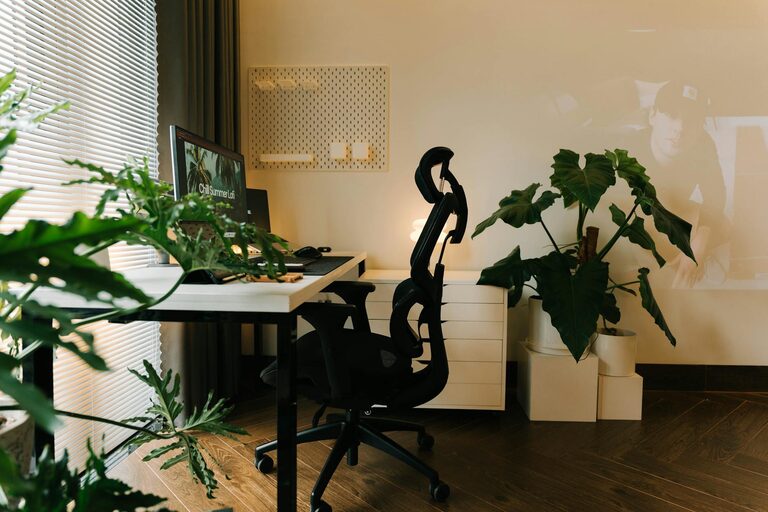
– Height: A standard desk height is about 73cm, but adjustable desks are ideal if you want to alternate between sitting and standing.
– Storage: Consider desks with drawers or add organisers to keep clutter at bay.
Chair
– Ergonomics: Invest in a chair that supports your lower back and promotes good posture.
– Adjustability: Height, armrests, and backrest angle adjustments help customise comfort.
– Movement: A chair with wheels allows easy movement and access to different parts of your workspace.
Optimise Lighting
Good lighting is essential to reduce eye strain and keep energy levels up.
– Natural light: Position your desk near a window to make the most of daylight.
– Avoid glare: Keep screens perpendicular to windows to prevent reflections.
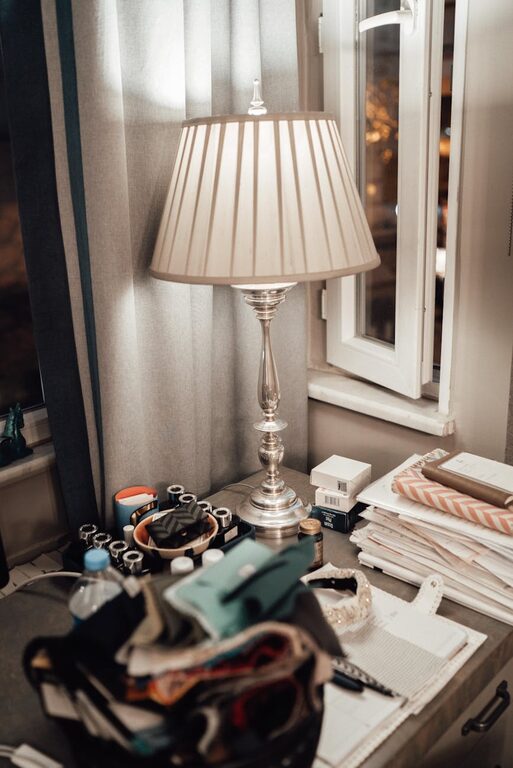
– Task lighting: Use adjustable desk lamps for focused work during darker hours.
– Bulb choice: Warm white or daylight LED bulbs offer clear, comfortable illumination.
Minimise Distractions
A cluttered or noisy environment can harm focus.
– Declutter regularly: Keep only essentials on your desk and organise supplies.
– Noise control: Use noise-cancelling headphones or background music if household noise is an issue.
– Digital distractions: Silence non-urgent notifications or use apps to limit social media during work hours.
Create Storage and Organisational Systems
Keeping your workspace tidy helps your mind stay clear.
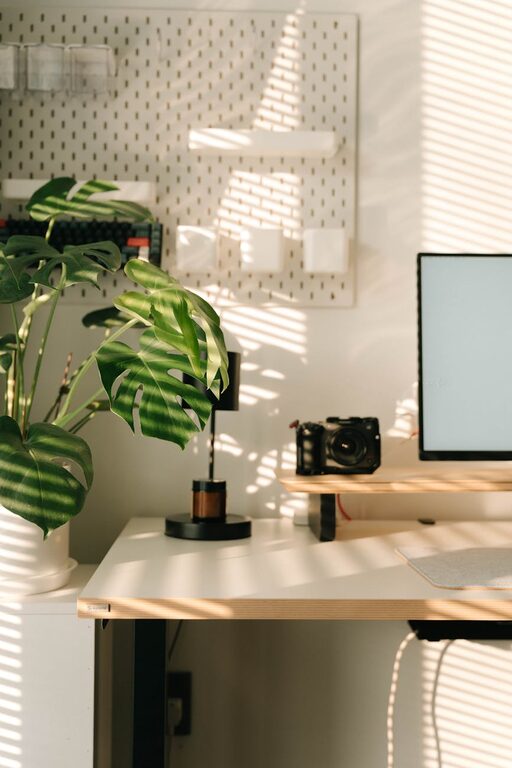
– Shelving: Use wall-mounted shelves or filing cabinets for documents and books.
– Desk organisers: Trays, pen holders, and cable tidies maintain order on your desk surface.
– Label items: This makes it easier to find and return supplies to their place.
Personalise for Motivation
Adding personal touches can make your workspace more inviting and boost morale.
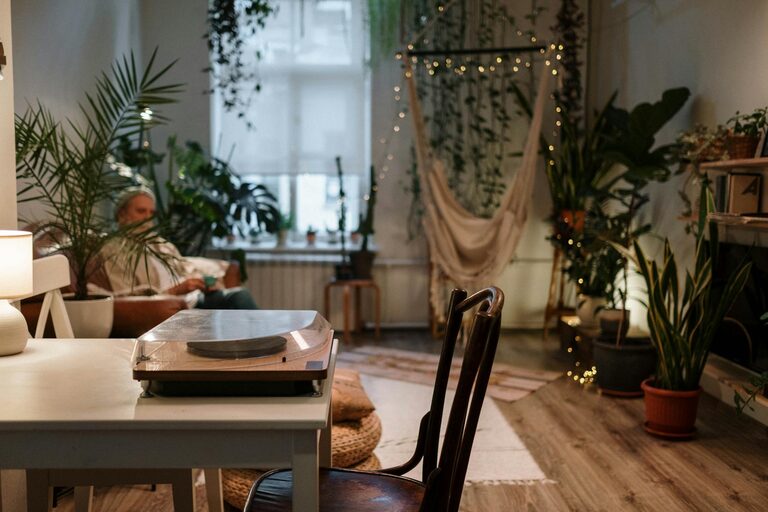
– Plants: Indoor plants improve air quality and add a calming vibe.
– Artwork: Inspirational posters or photos can keep you motivated.
– Comfort items: A cushion or blanket might help you feel more relaxed.
Establish Boundaries and Routine
Your workspace should encourage a clear distinction between work and home life.
– Defined area: Keep your workspace separate from relaxation areas if possible.
– Set hours: Consistent work times help establish routine and prevent burnout.
– Breaks: Schedule regular breaks to stretch and refresh your mind.
Technology Setup
Your technology should support productivity smoothly.
– Reliable internet: A stable connection is crucial, especially for video calls.
– Peripherals: Use an external keyboard and mouse if working on a laptop for better ergonomics.
– Backup: Regularly save your work and consider cloud storage options.
Maintain Your Workspace
Finally, revisit your setup regularly.
– Review comfort: Adjust your chair or desk height if needed.
– Update equipment: Upgrade gear as your work demands change.
– Clean: Weekly cleaning prevents dust build-up and keeps things fresh.
—
Setting up a home workspace that truly suits your needs takes some thought and effort, but the rewards are well worth it. With the right furniture, lighting, organisation, and personal touches, you can create an environment that helps you work comfortably and efficiently every day.
About the Author