
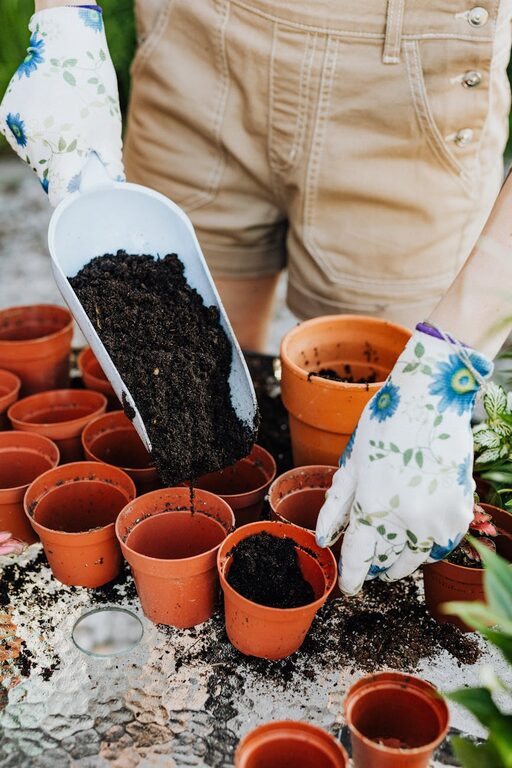
Creating a sustainable and attractive garden that thrives throughout the year is a rewarding goal for any garden enthusiast. Not only does it bring beauty to your home and garden, but it also helps support local wildlife and reduces your environmental footprint. With thoughtful planning and care, you can enjoy a garden that colours your surroundings from spring to winter.
Plan Your Garden for Sustainability and Beauty
Choose Native and Seasonal Plants
Opting for native plants is one of the best ways to ensure sustainability. Native species are adapted to your local climate and soil, so they typically require less water, fertiliser, and pest control. They also provide a natural habitat for local birds, bees, and insects.
Seasonal plants offer an ever-changing palette of colours and textures throughout the year. Early spring bulbs like crocuses and daffodils can wake your garden after winter, followed by summer perennials and autumn foliage. Plan for successive blooming by mixing plants with different flowering times.
Incorporate Diversity
A diverse garden is more resilient to pests and extreme weather. Include a variety of plant types: trees, shrubs, perennials, annuals, and ground covers. This variety adds visual interest across seasons and provides multiple layers of habitat for wildlife.
Establish Eco-Friendly Gardening Practices
Reduce Water Usage
Water conservation is essential, especially during dry months. Mulching around plants helps retain soil moisture and suppress weeds. Consider installing a rainwater collection system so you can water your plants using natural rainfall instead of tap water.
Drip irrigation systems deliver water directly to plant roots, reducing waste. Also, group plants with similar water needs together to avoid overwatering.
Opt for Organic Methods
Avoid chemical pesticides and synthetic fertilisers which can harm beneficial insects and degrade soil health. Instead, improve soil fertility with compost and organic mulch. Encourage natural predators such as ladybirds and frogs to control pests.
Companion planting is another natural strategy. For example, marigolds help repel aphids while attracting pollinators like bees.
Adapt Your Garden Tasks by Season
Spring: Prepare and Plant
– Clean and clear dead leaves or debris to reduce disease risk.
– Prune shrubs and trees before new growth begins.
– Prepare soil by adding compost.
– Plant new seeds and seedlings suitable for your climate.
– Install supports for climbing plants or vegetables.
Summer: Maintain and Enjoy
– Water early in the morning or late evening.
– Deadhead flowers to encourage more blooms.
– Mulch regularly to keep the soil cool.
– Monitor for pests and diseases; address any issues promptly.
– Harvest fruits and vegetables as they ripen.
Autumn: Prepare for Winter
– Plant autumn bulbs and winter vegetables.
– Rake up fallen leaves and compost them if disease-free.
– Add a layer of organic mulch for root protection.
– Prune late-flowering plants and tidy borders.
– Check fences and garden structures for winter damage.
Winter: Minimal Care and Planning
– Keep an eye on evergreen plants and water if dry.
– Protect delicate plants with covers or move potted ones indoors.
– Plan your garden layout and plant choices for the next year.
– Clean and maintain tools.
– Enjoy wildlife watching in your garden.
Additional Tips for a Sustainable Garden
– Composting: Create a compost bin to recycle kitchen scraps and garden waste, enriching your soil naturally.
– Wildlife-Friendly Features: Include bird feeders, insect hotels, and water sources such as a small pond or birdbath.
– Use Recycled Materials: Build garden beds or paths using reclaimed wood, bricks, or stones.
– Limit Lawn Area: Lawns need regular mowing and watering; replace some lawn space with wildflower meadows or low-maintenance ground cover.
Conclusion
A sustainable and beautiful home garden is achievable with thoughtful plant selection, eco-friendly practices, and seasonal care. With commitment and creativity, your garden will flourish year-round, providing enjoyment for you and a valuable space for wildlife. Start small, learn as you go, and your garden will become a green sanctuary that grows with you through every season.
About the Author